Ljubljana, 14th of December 2025
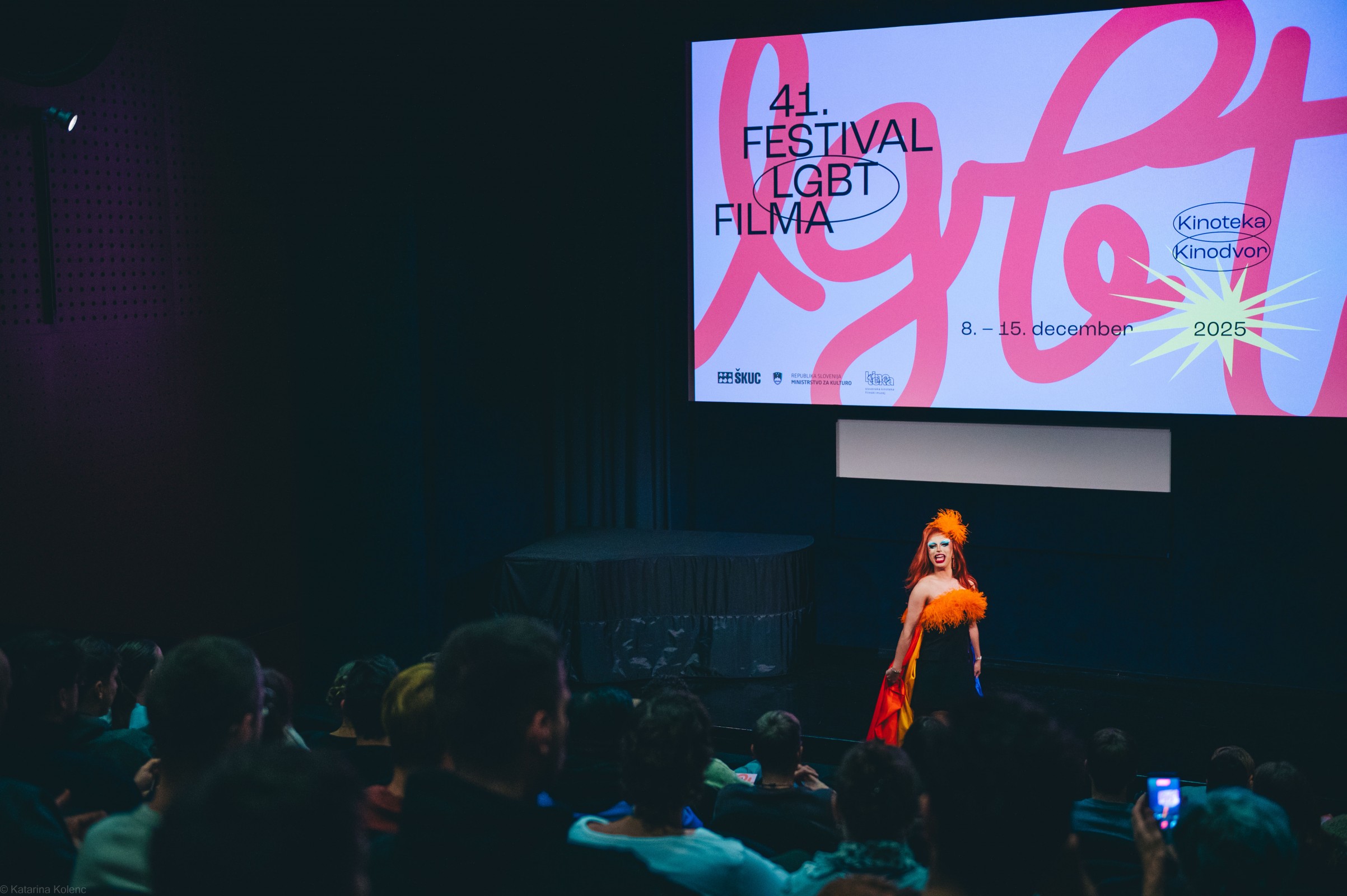
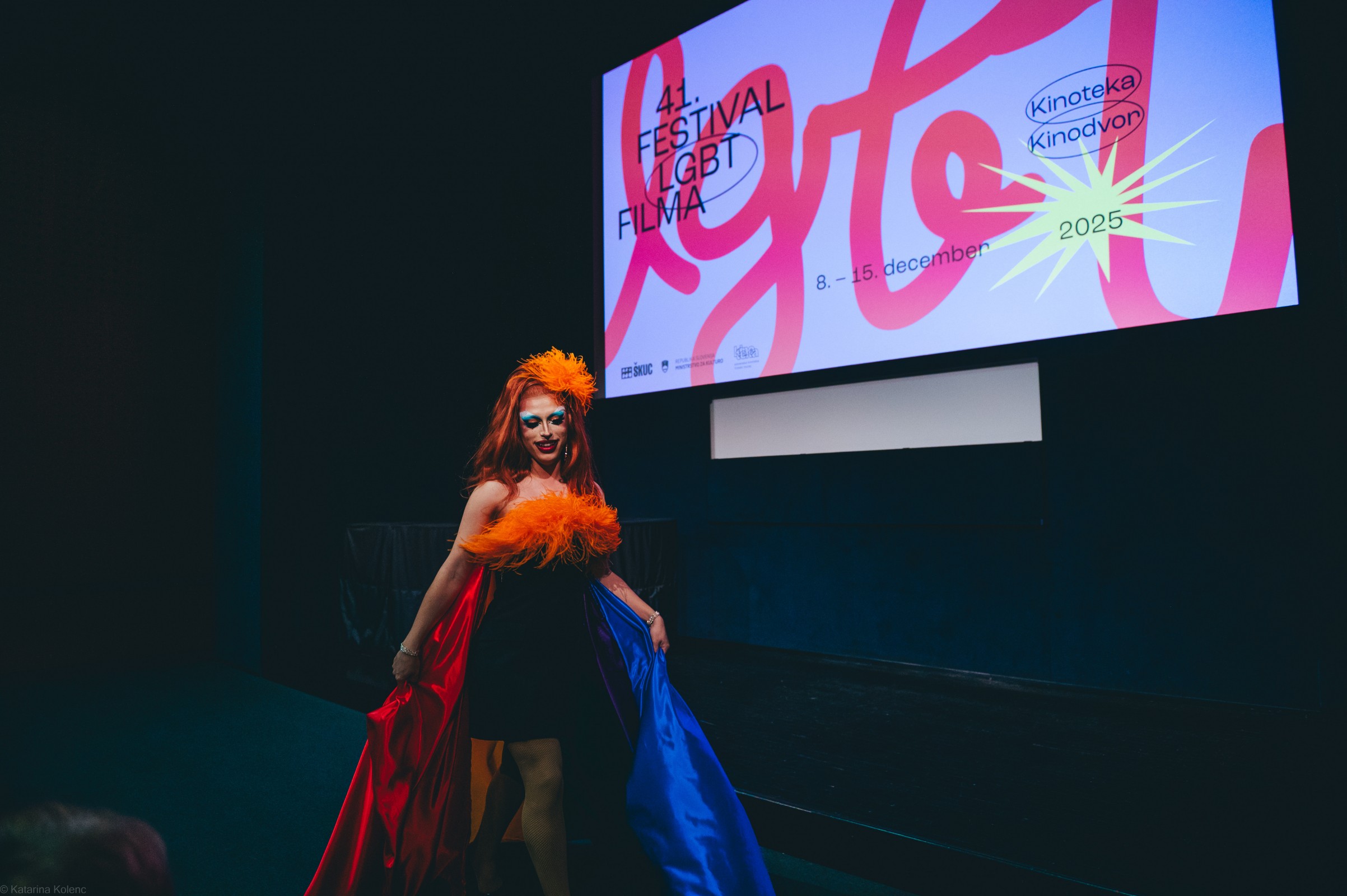
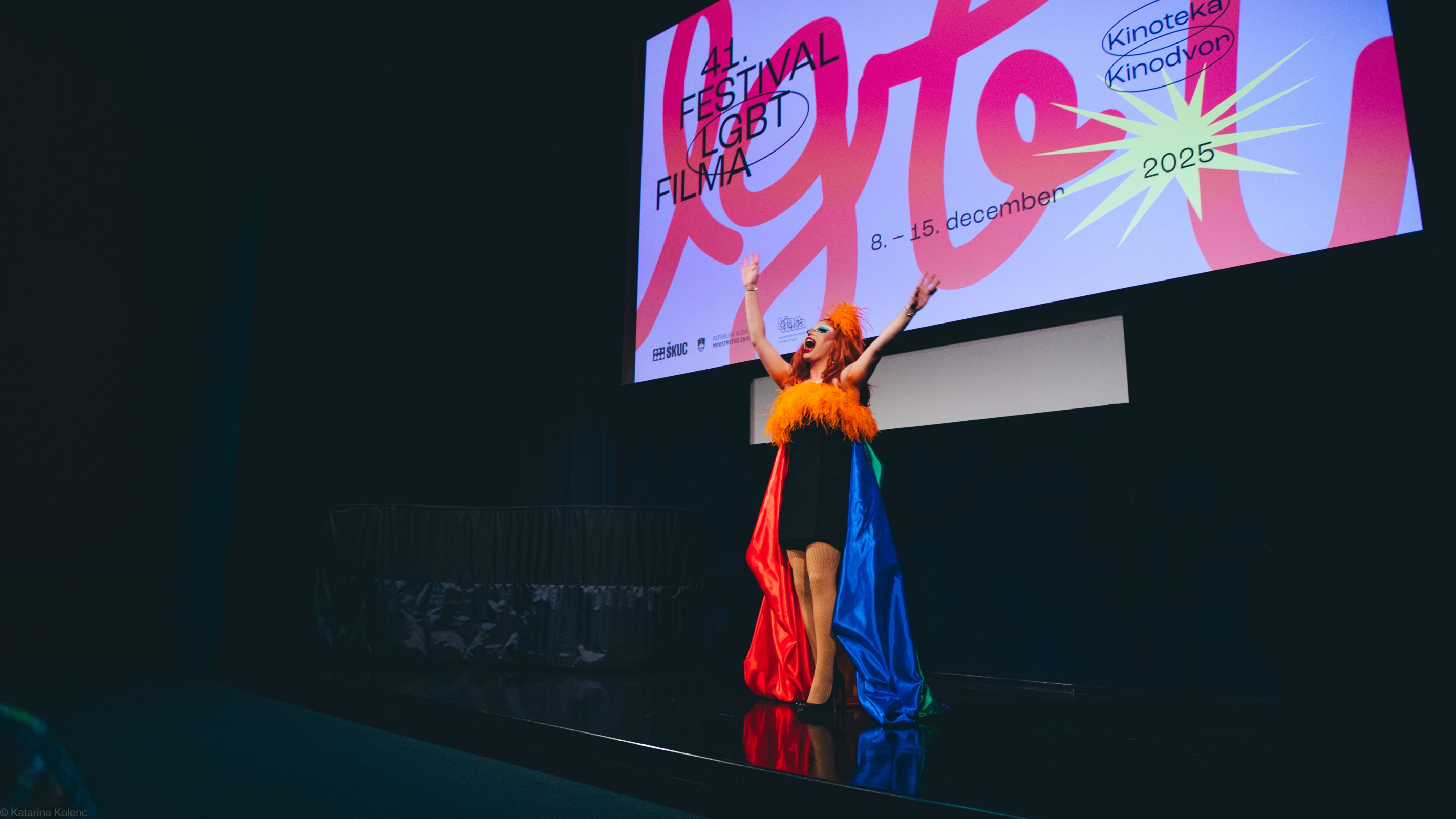
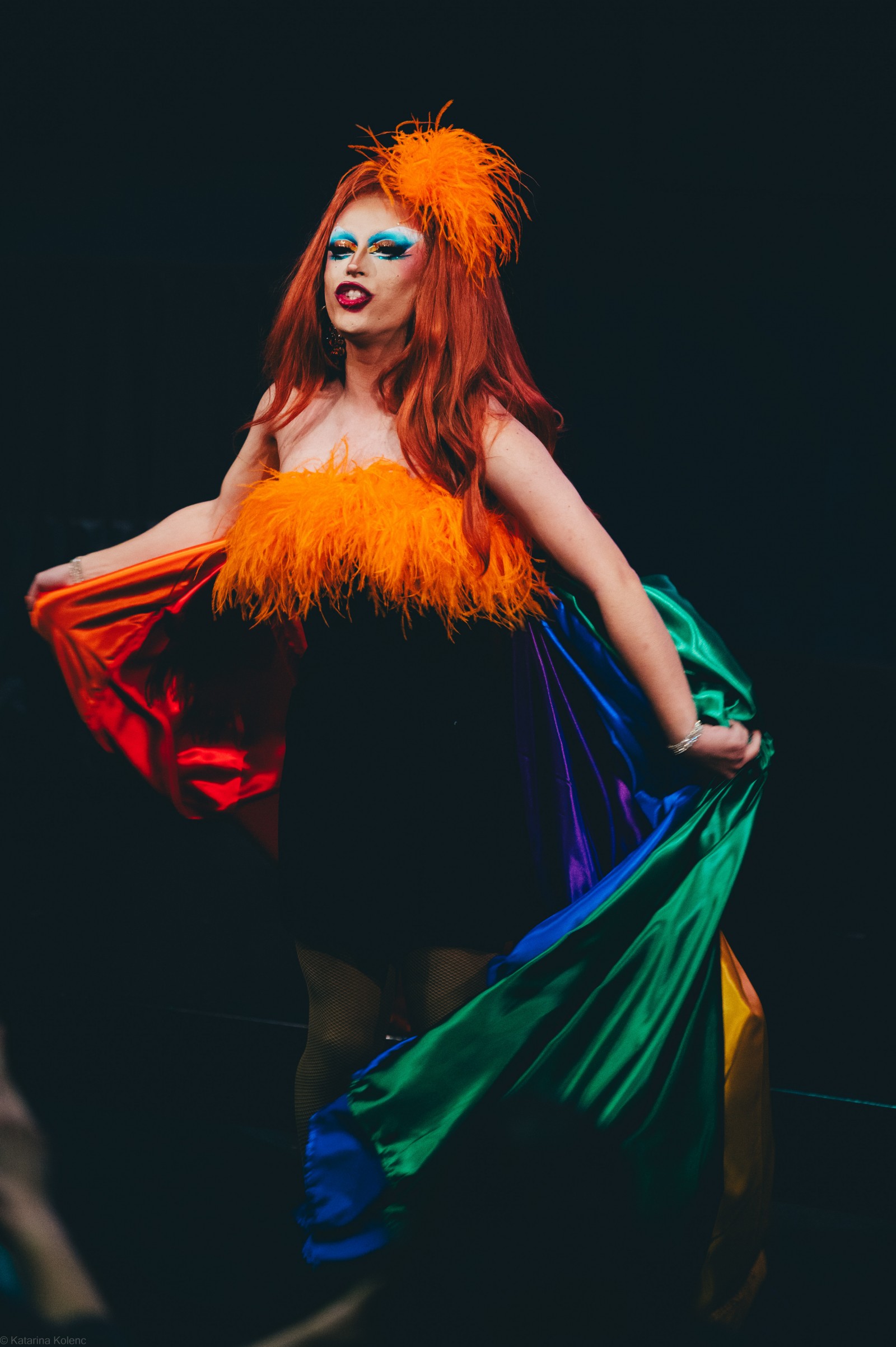
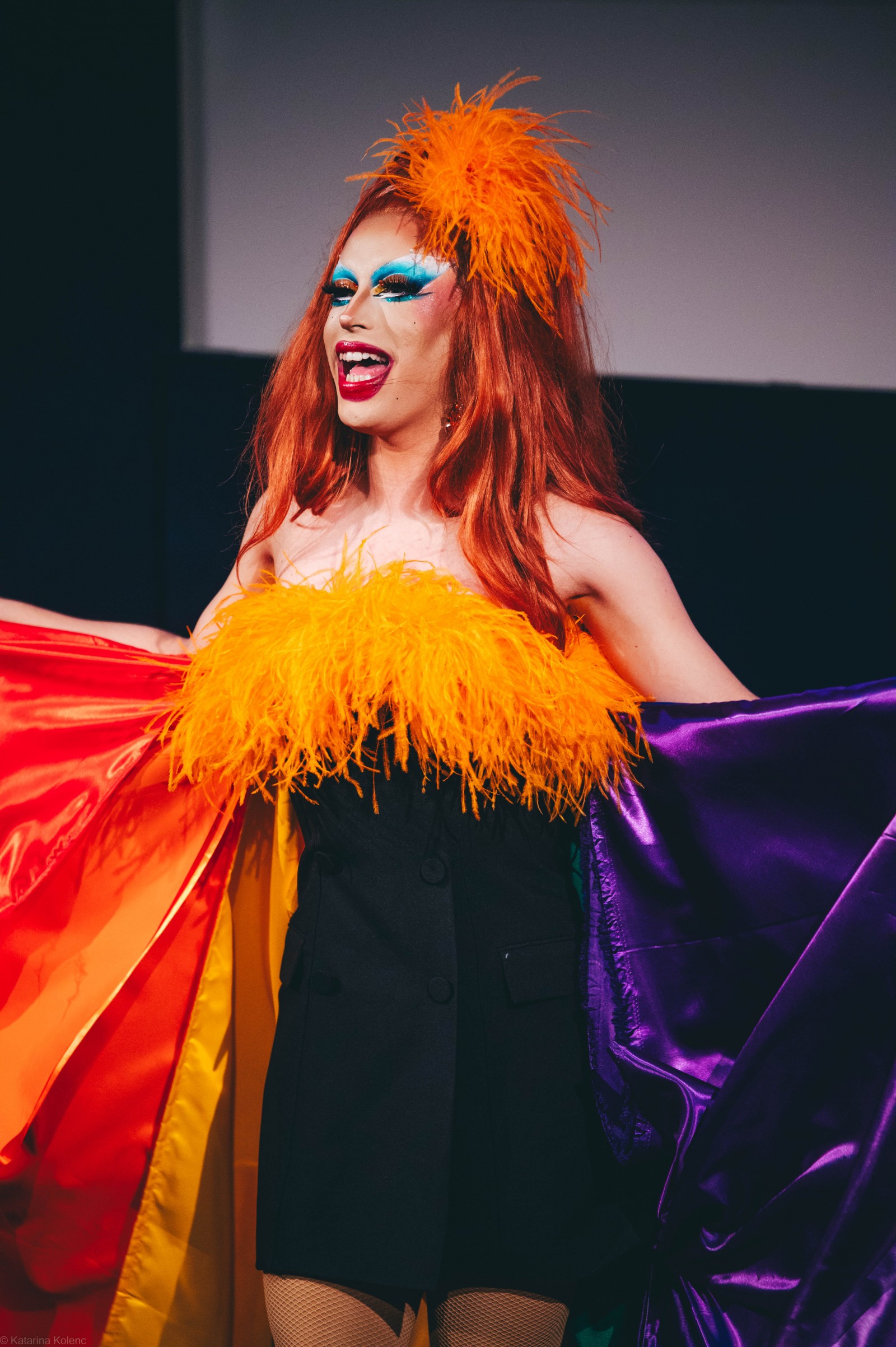
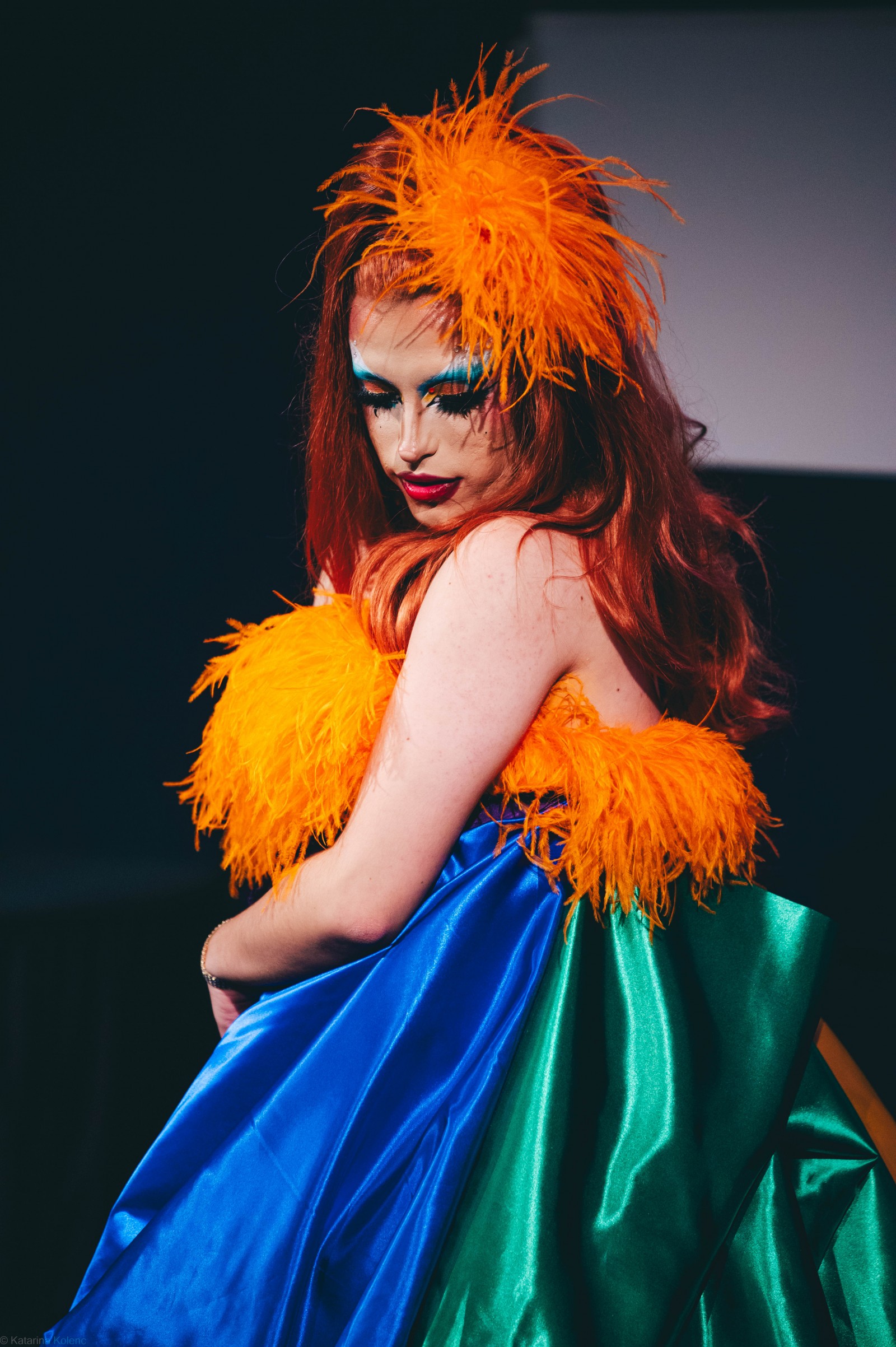
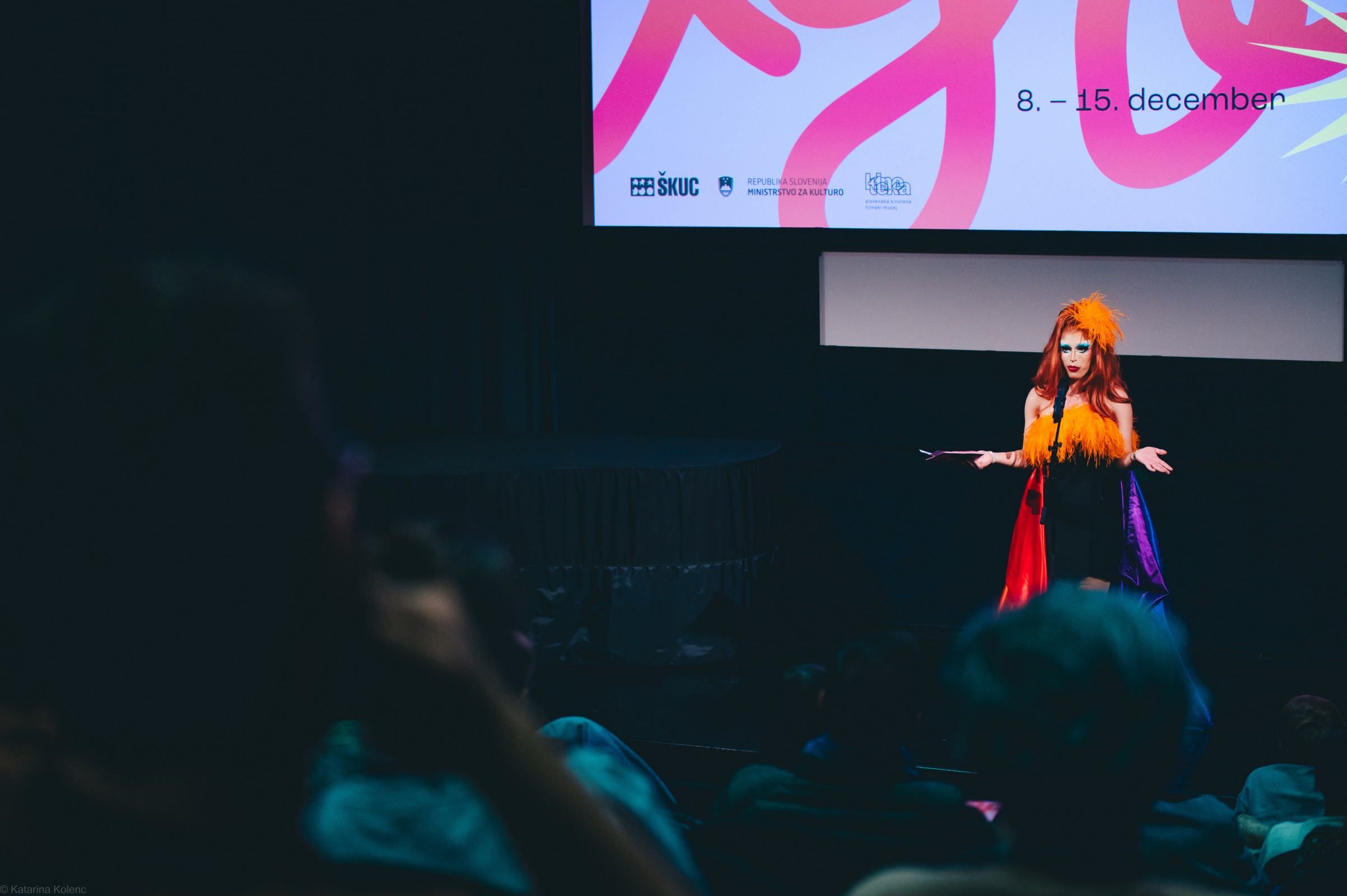
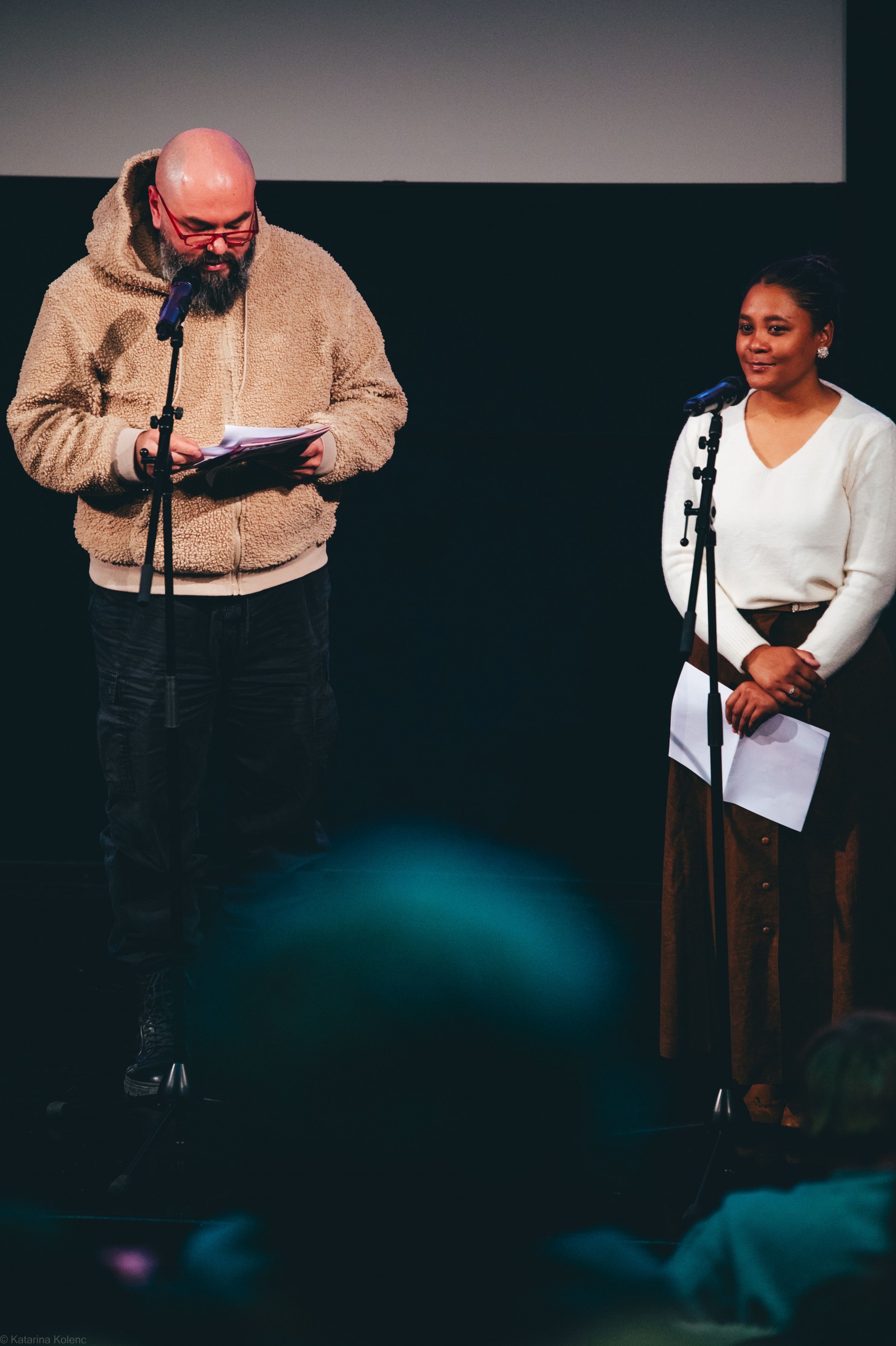
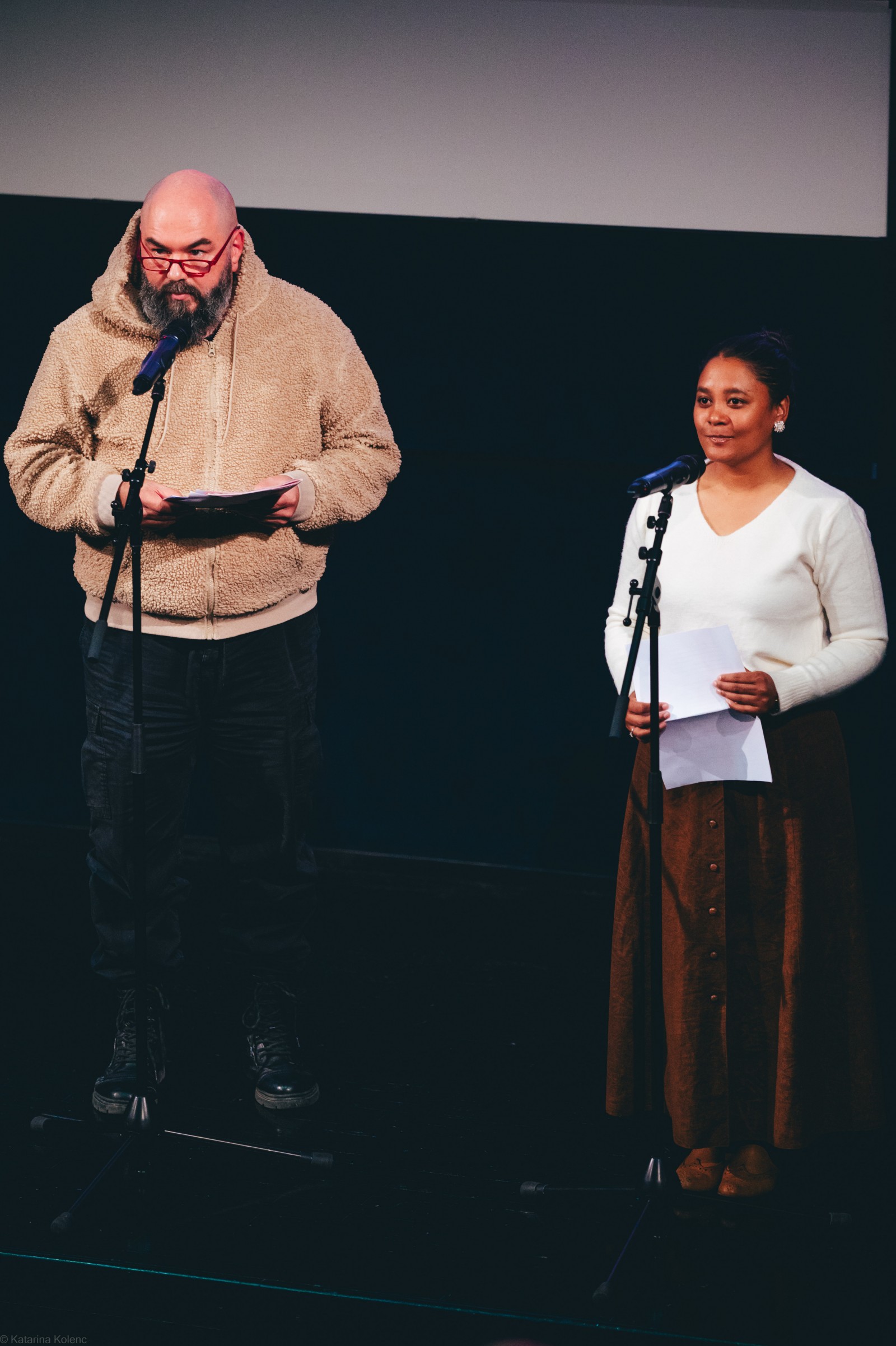
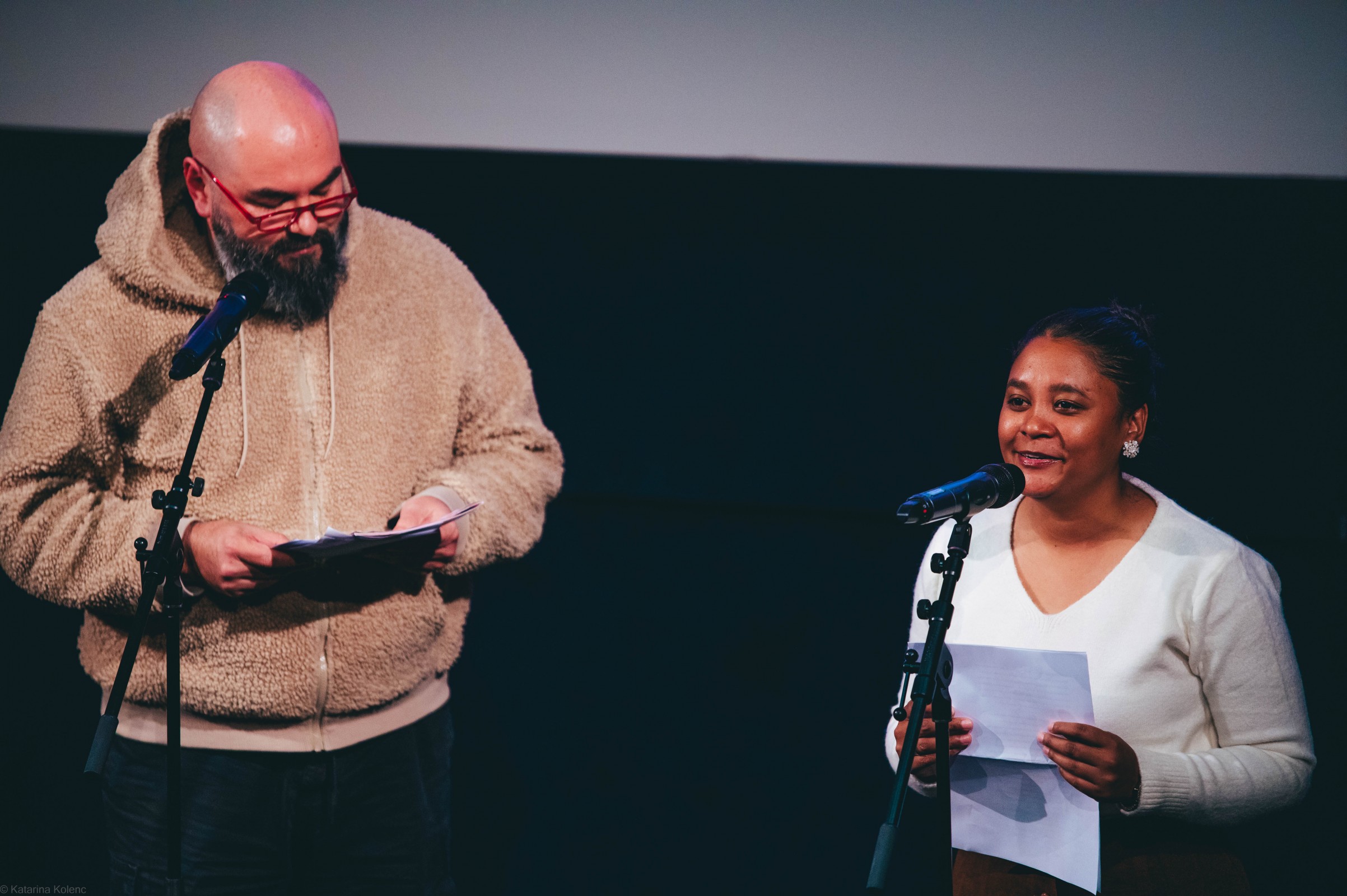
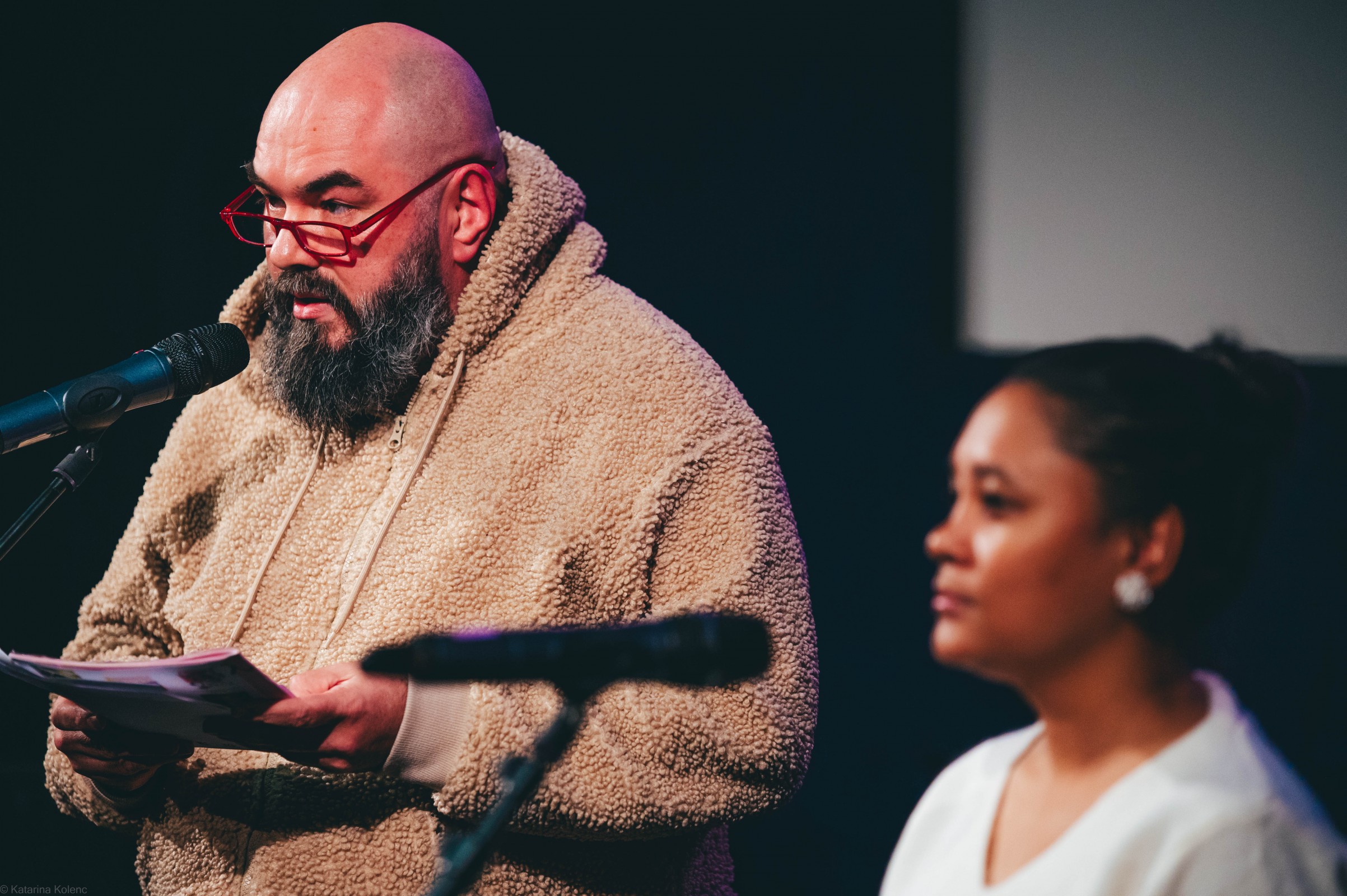
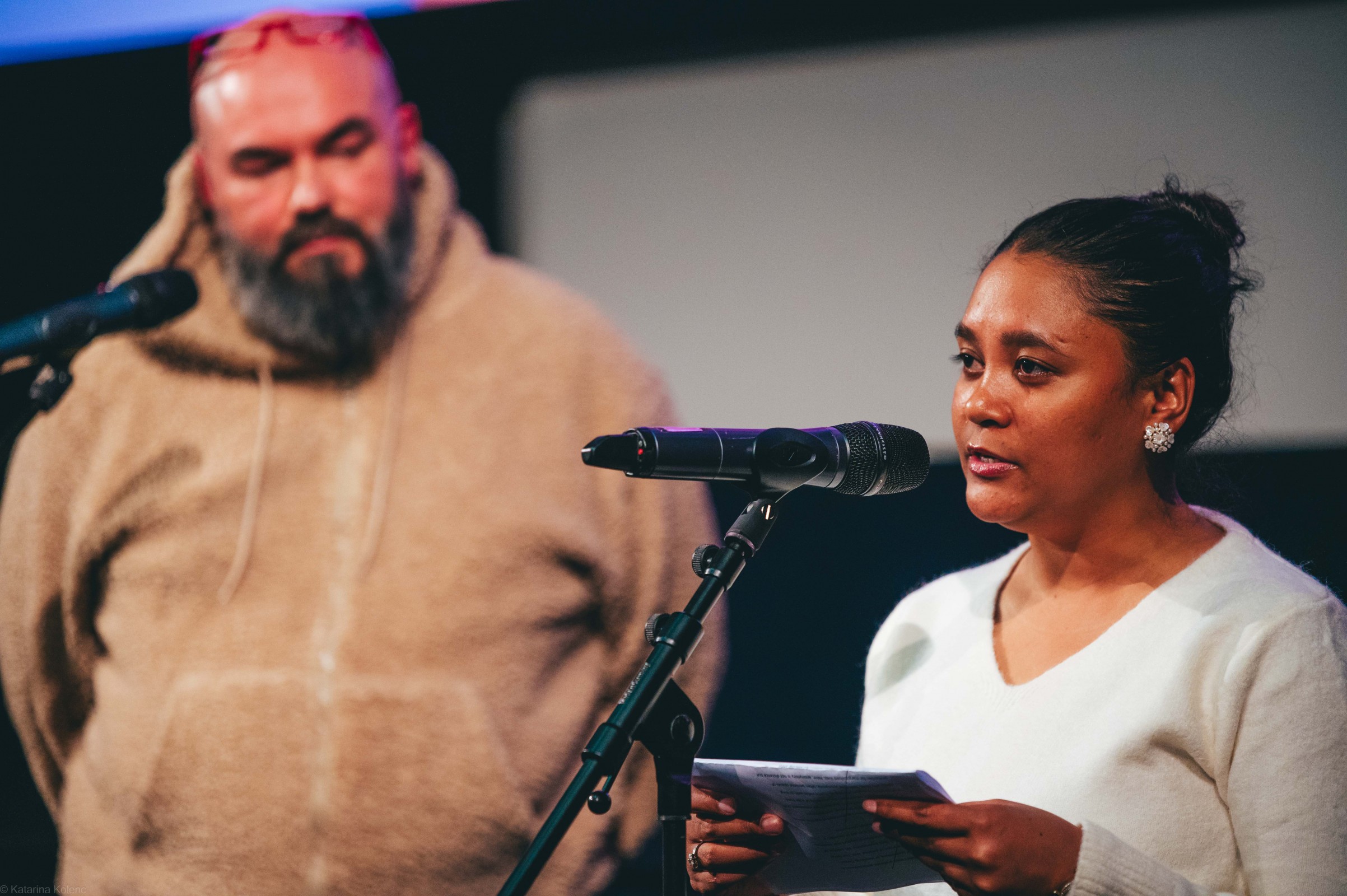
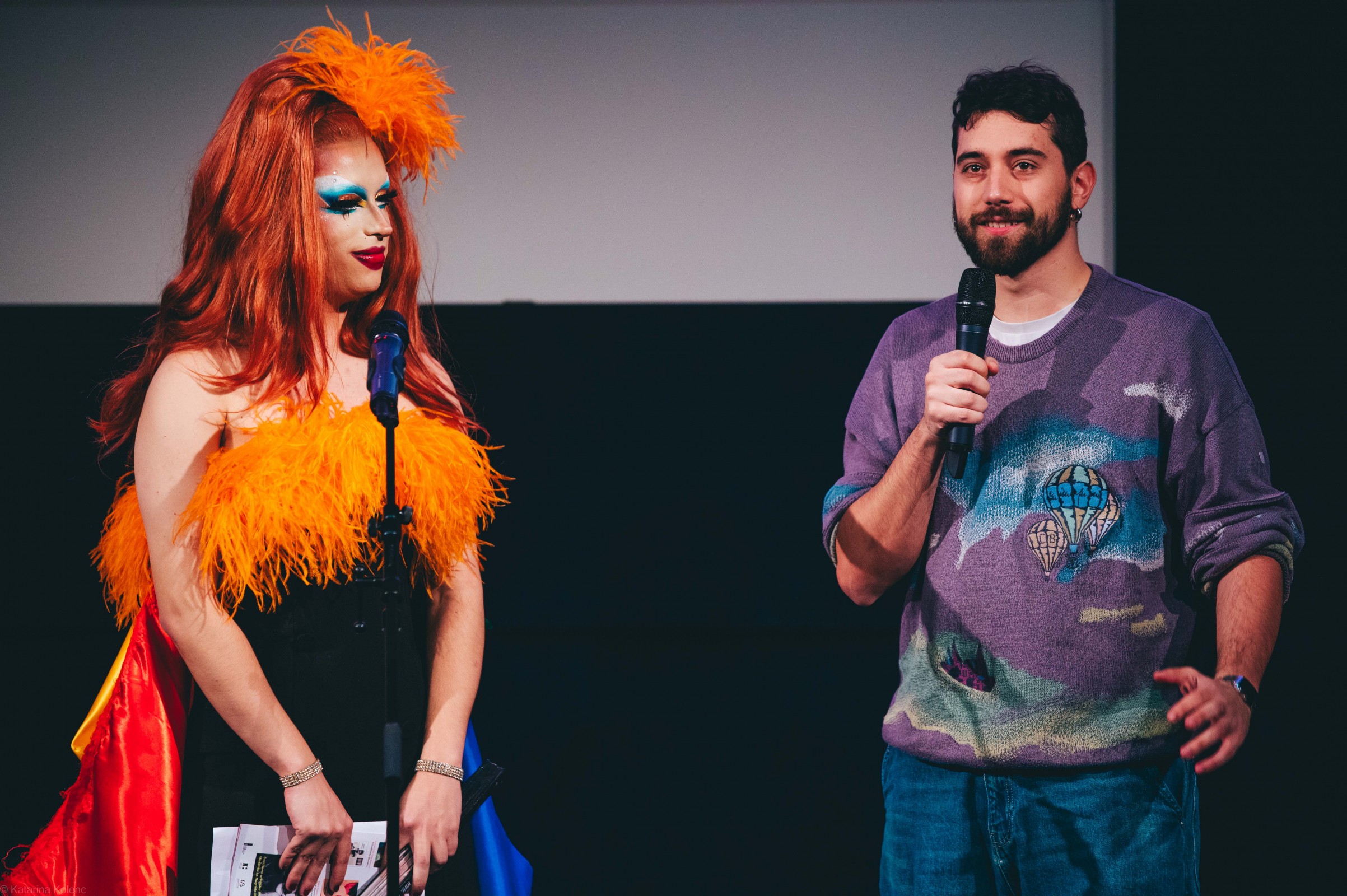
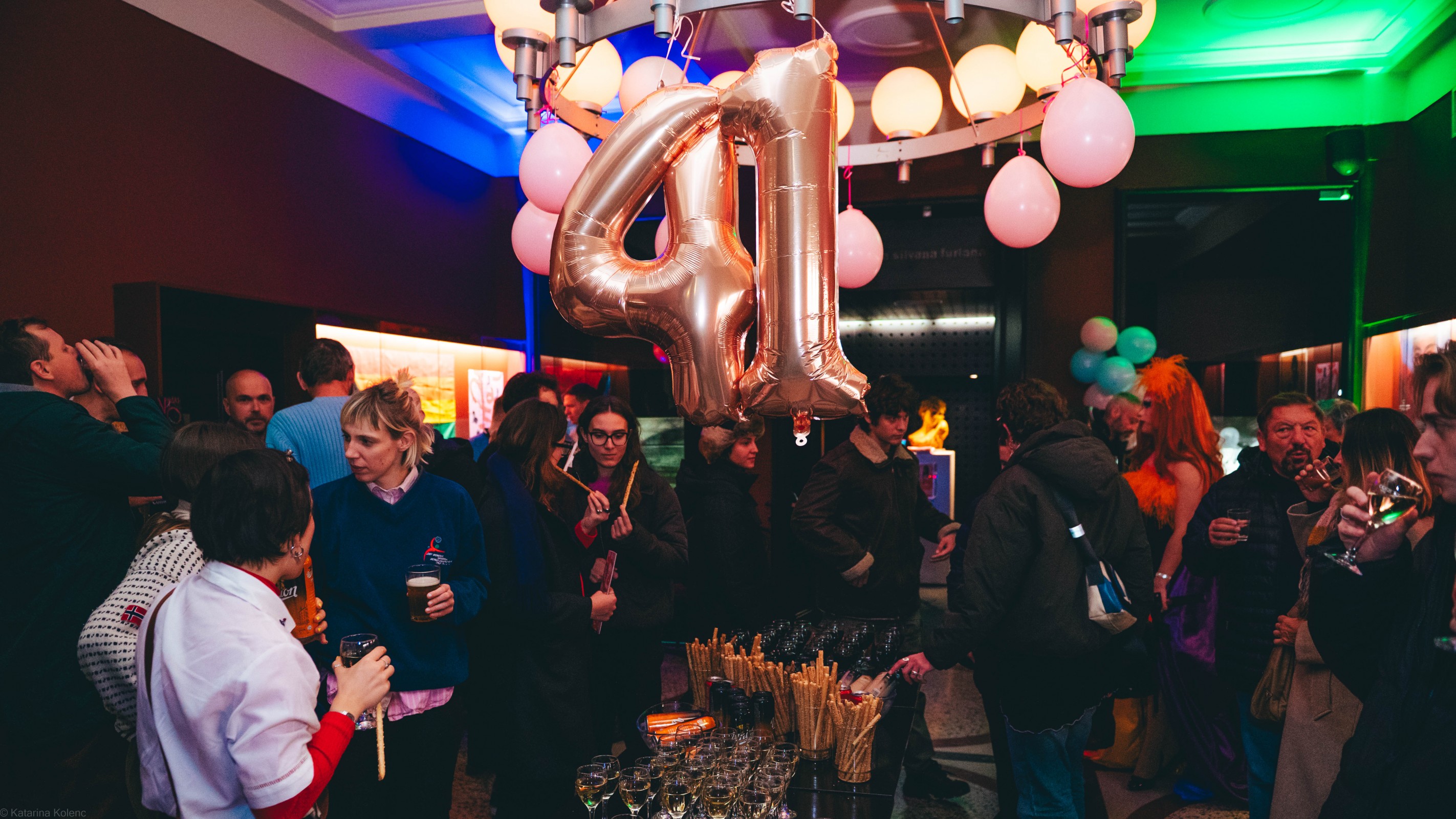
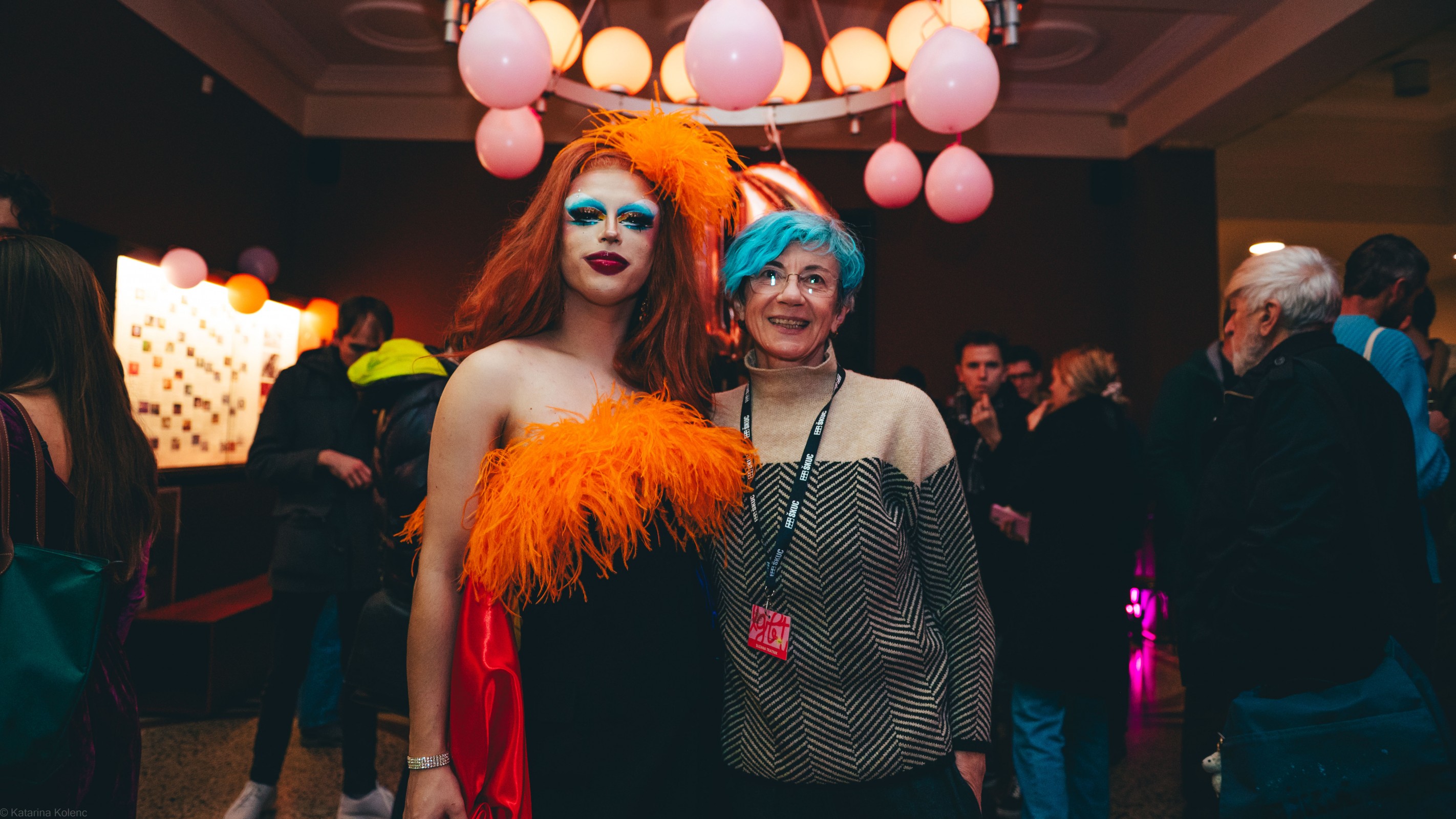
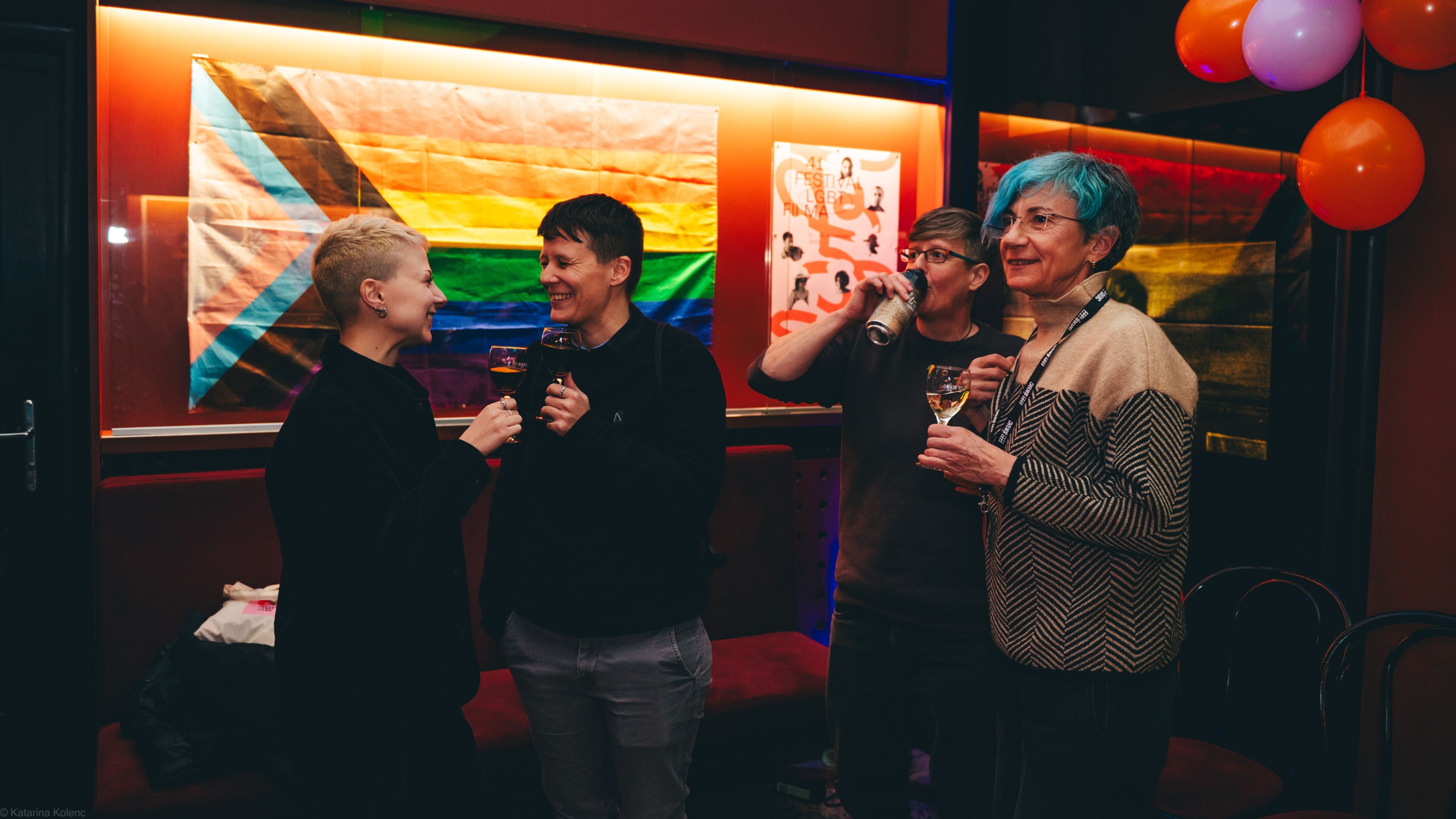
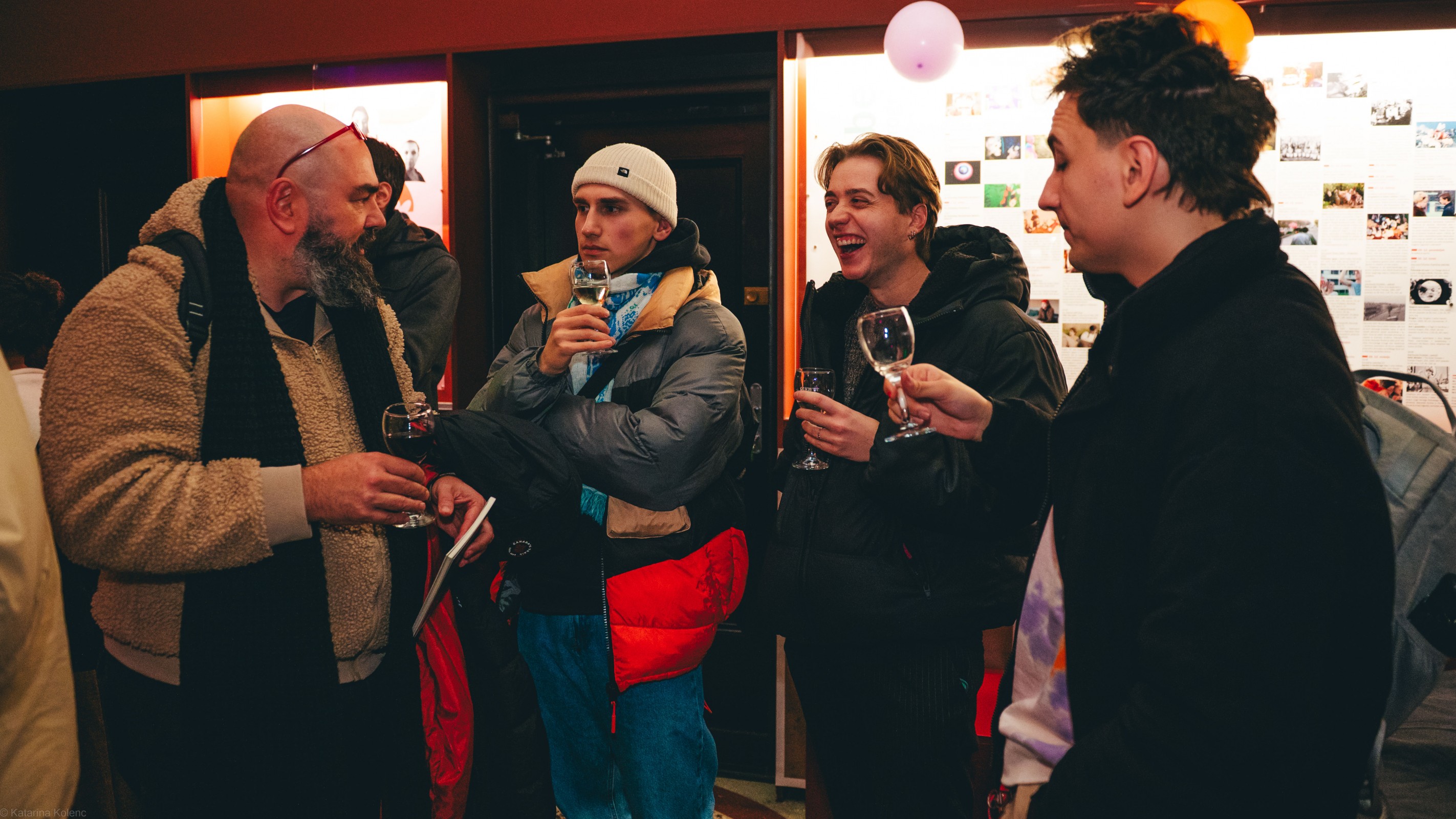
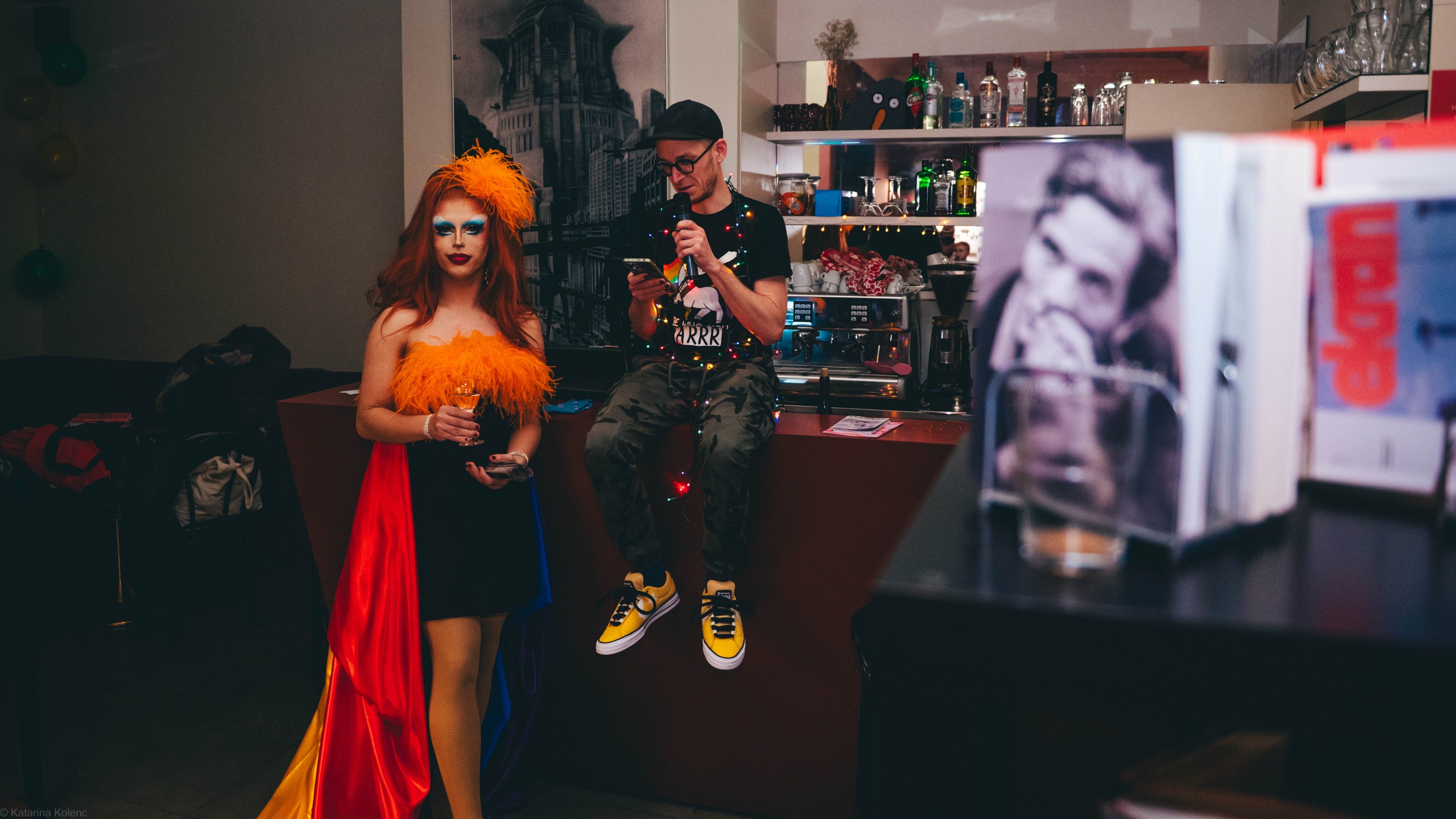
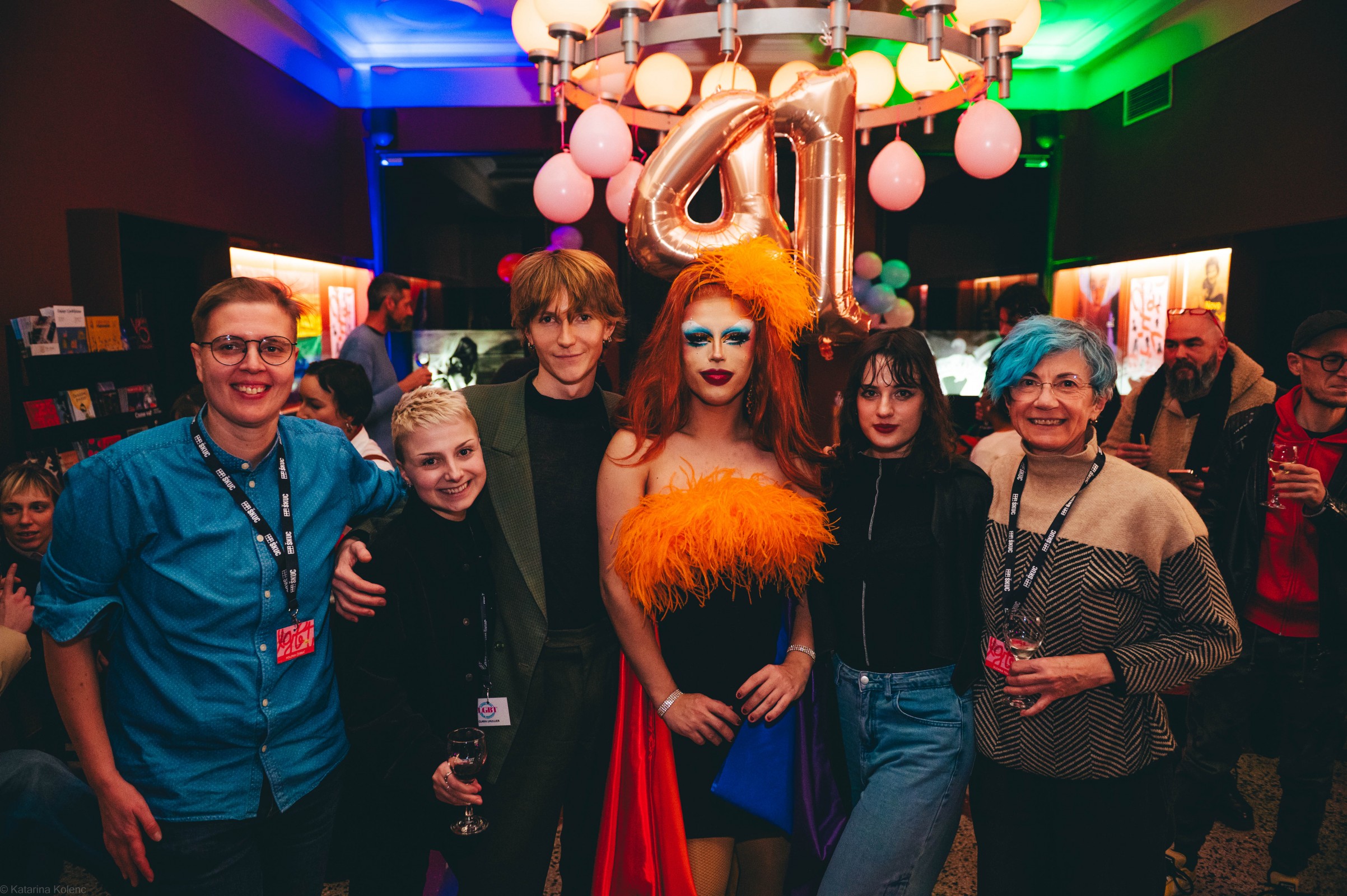
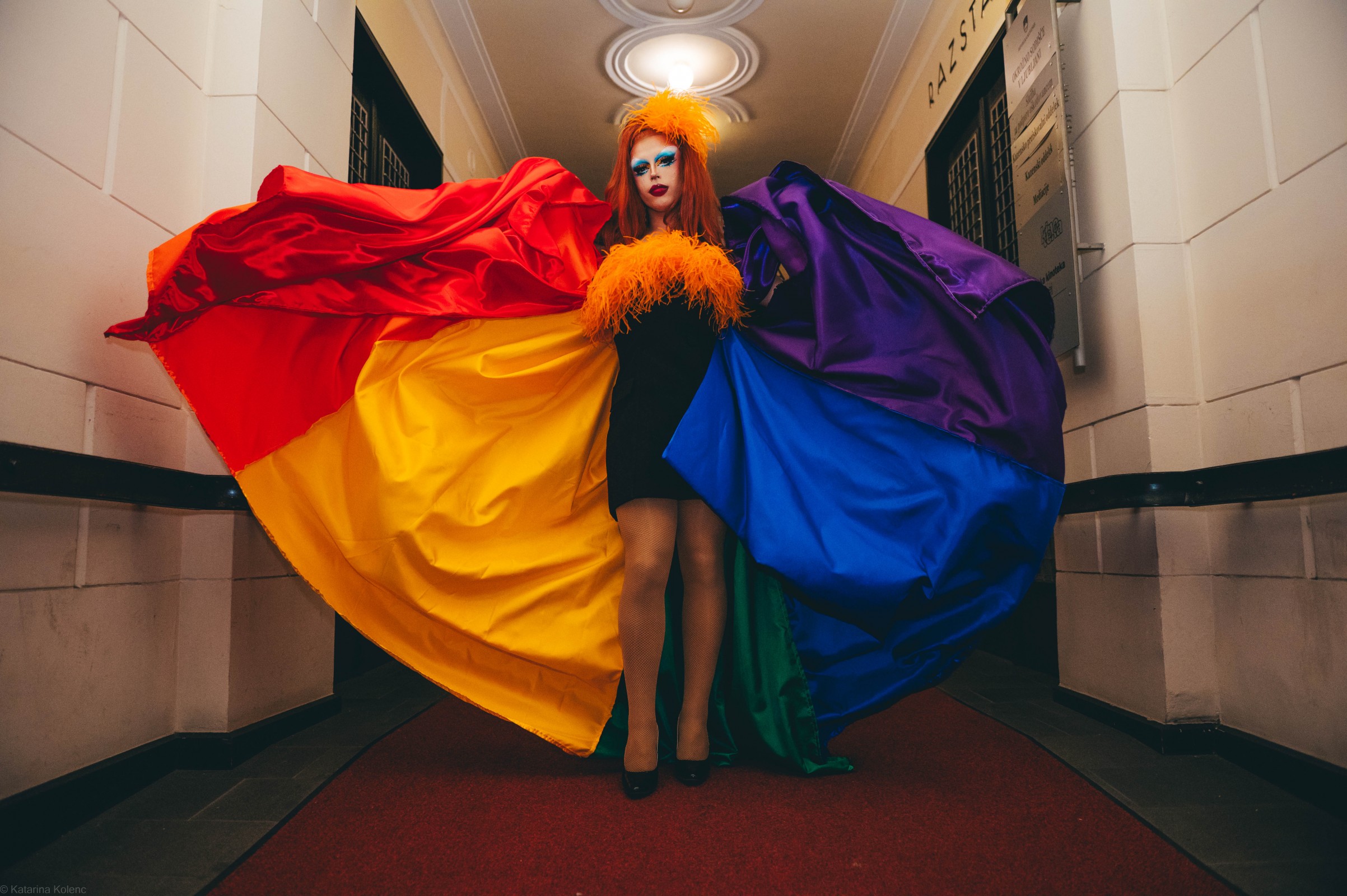
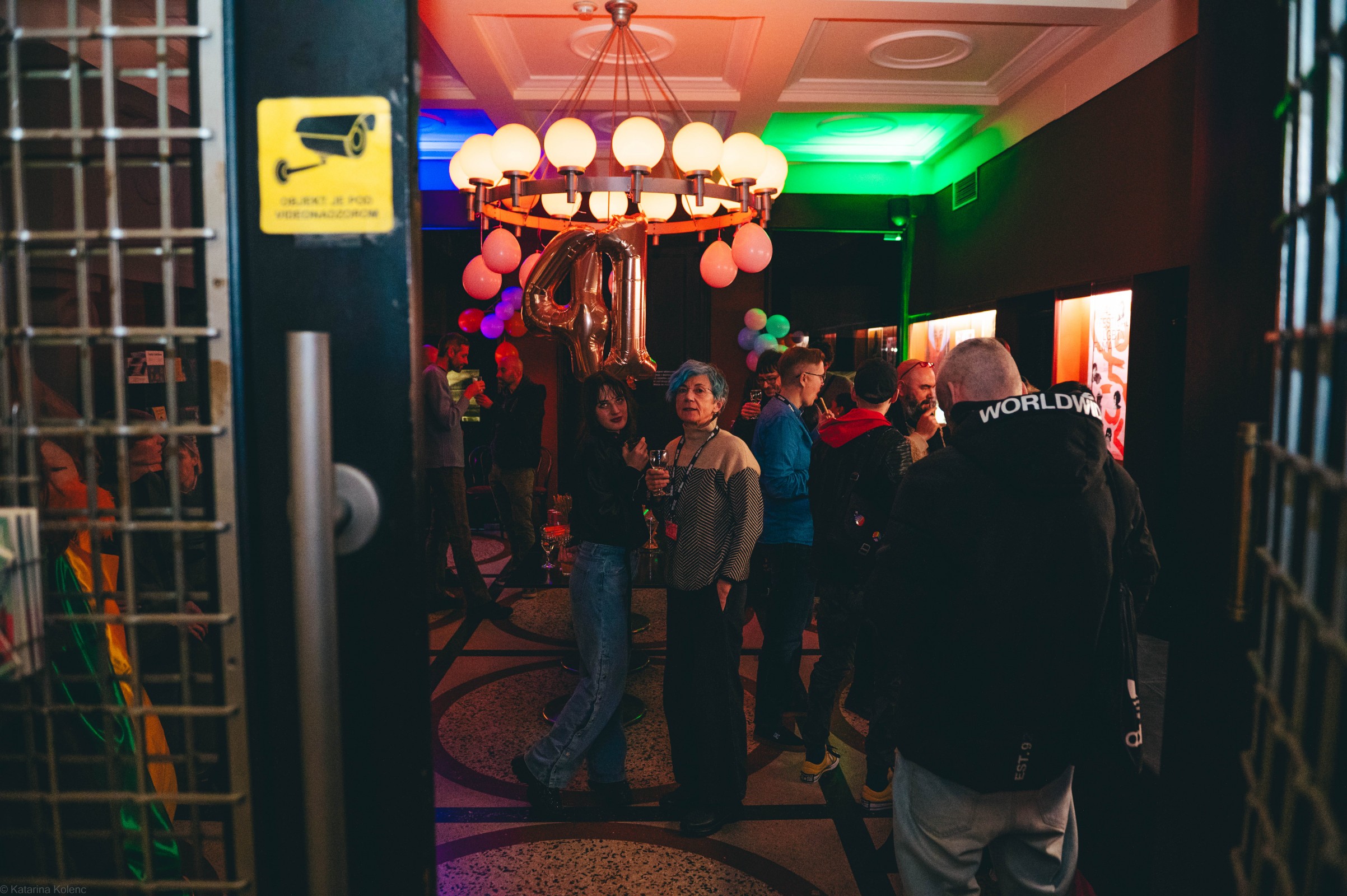
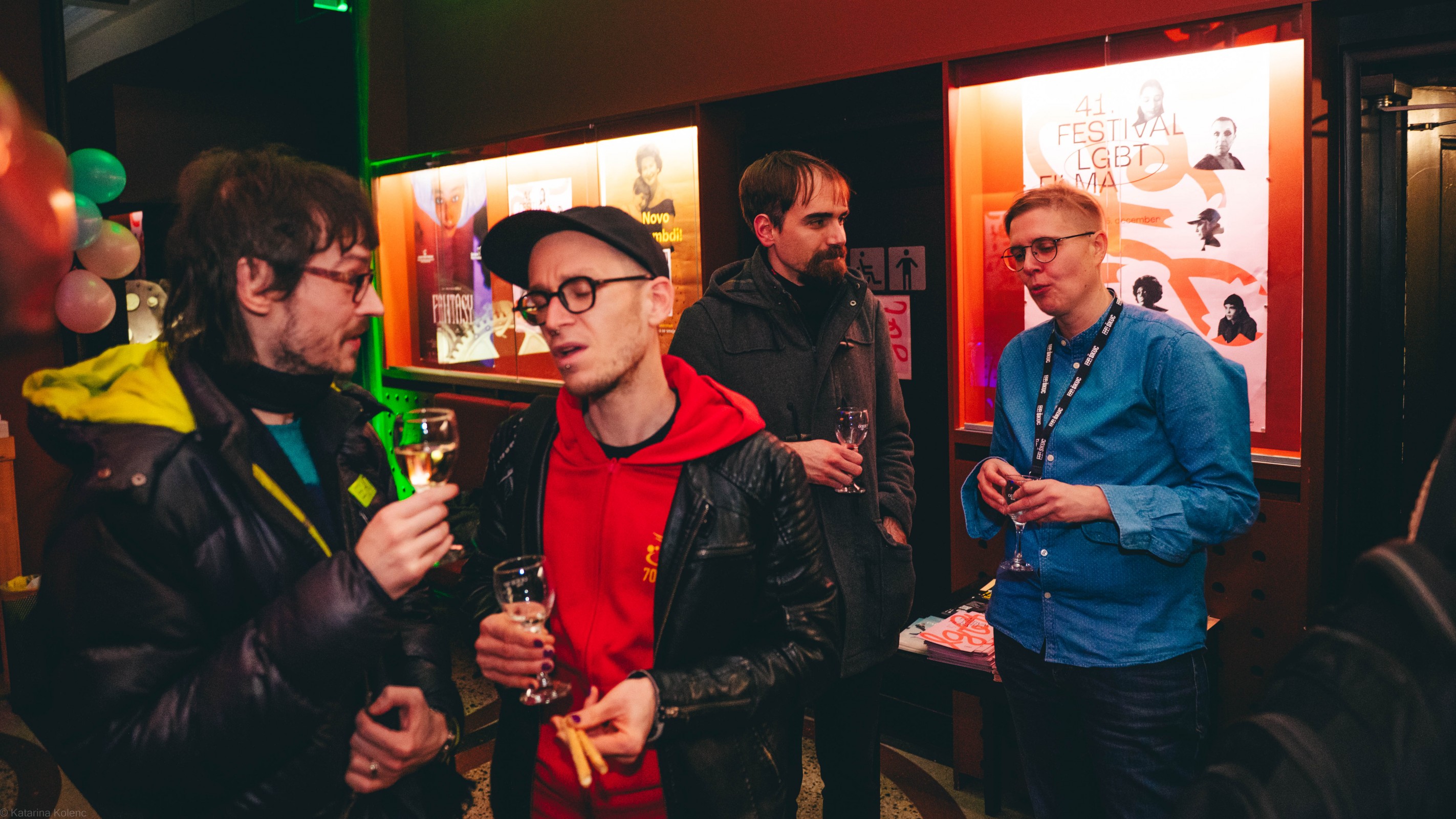
This evening, the Pink Dragons awards were presented at the Slovenian Cinematheque.
The international jury—composed of Radžila Šrestha, a film director from Nepal; Justine Jaz Okolodkoff, an artist, curator, and advocate for LGBTQIA+ and women’s rights working between Belgium and France; and Mitja Blažič, a long-time LGBT activist—selected the winner from 16 feature-length fiction films and awarded the prize to the Indian film Cactus Pears.
The jury stated:
The international jury awards the prize to a film of extraordinary sensitivity and strength, Cactus Pears, by Indian director Rohan Parashuram Kanawade. This 113-minute feature gently invites us into the most fragile spaces of human experience—grief, desire, fear, and love—without ever resorting to spectacle. Instead, it lingers in silences, measured gestures, and a queer experience defined by a constant, unresolved tension between disclosure and survival, between community and individuality. From this emerges a deeply moving meditation on what it means to live truthfully in a world that demands adaptation and submission.
At its core, Cactus Pears is a story of returning to one’s village. For the protagonist, now living in the city, this return is a challenge from the outset, marked by the desire to stay as briefly as possible. The journey home, triggered by the death of his father, is permeated by anxiety shaped by past experiences of rejection and the fear of their repetition. With remarkable precision, the film shows how collective norms regulate intimacy, sexuality, and emotion, turning everyday words, glances, and questions into potential sites of violence. Yet this is never a simplistic portrait of oppression. The village is rendered as a living emotional landscape—at once beautiful, suffocating, and tender.
Grief unfolds as the film’s central cinematic motif, depicted through rituals, gestures of respect, and the gathering of family and community. With great generosity and humility, the film explores the temporality of mourning, allowing it to last as long as necessary. In doing so, it reveals a subtle, often unspoken relationship between father and son, and the quiet pressure of all that remains unresolved. This sense of time—when to persist, when to wait, when to remain silent—extends to all forms of intimacy portrayed in the film: between lovers, between mother and son, between bodies attempting to express care without a shared language.
During the period of mourning, the film reaches one of its most profound moments precisely in its portrayal of family. Rather than condemning or idealizing, Cactus Pears offers a complex and humane view of parental love. The mother and father in the film, shaped by their environment yet capable of transcending its dictates, embody a form of unconditional support that becomes quietly radical. In this context, love itself is an act of courage—a refusal to allow social fear to extinguish human connection.
The love story at the heart of the film unfolds with equal depth. It develops modestly and precariously; it is fragile, cautious, and therefore immeasurably precious. In its final movement, the film does not promise victory, but survival—the possibility of living beyond constant threat. In doing so, it articulates with striking clarity why cities, with their anonymity, often become spaces of protection for marginalized lives. Here, anonymity is not distance, but shelter; not coldness, but a condition for survival.
This vision is carried by the assured and ethically attentive direction of Rohan Parashuram Kanawade. Through precise framing, a patient rhythm, and a profound understanding of sound and silence, the film treats cinema as a space of moral responsibility. The rural setting becomes a character in its own right, guiding us through the protagonist’s emotional landscape before opening once more toward the city—another space of movement, anonymity, and protection.
Like cactus pears themselves, the film leads us into terrains marked by harsh conditions and extreme circumstances, where sweetness nonetheless survives. From these resilient landscapes emerge new fruits, endurance, and a quiet possibility of life. For its artistic maturity, emotional authenticity, and universal resonance, the international jury proudly awards the prize to Cactus Pears, a work that leaves us grateful for all the fragile, beautiful forms of love that make existence possible.
The audience evaluated all feature-length films, both fiction and documentary.
Among the documentaries, the highest ratings were awarded to the Swiss film Quir, directed by Nicola Bellucci.
The film focuses on a unique shop in Palermo unlike any other. It is called Quir—a place of love that defies all conventions. Its owners, Massimo and Gino, have been together for forty-two years, a gay couple with what may be the longest-lasting relationship in Italy. Their small leather goods shop has become an important meeting point for the local LGBTQI+ scene—a place where people talk about love stories, past experiences, or simply seek companionship—while also standing at the forefront of the struggle for the acceptance of queer communities in Sicily, a stronghold of patriarchal culture.
In the fiction category, the clear winner was the Slovenian film Fantasy, directed by Kukla, which has already received several awards and will soon be released in regular cinemas.
Mihrije, Sina, and Jasna, best friends in their early twenties, are all tomboys who refuse to conform to the expectations of their families in the migrant communities where they live. Their world is turned upside down when they meet their new neighbor Fantasy, a transgender woman. Together, they embark on a journey exploring the complexities of gender, desire, and self-discovery.
“I wanted to show the alchemy of genders, diversity, tension, violence, and contradictions that shape not only the so-called Balkan region, but any society,” said the director.
The film received five Vesna Awards at FSF 2025 and the Heart of Sarajevo for acting.
Due to an insufficient number of submissions, the award for Best Slovenian Short Film was not presented.
The oldest European LGBT film festival and the oldest Slovenian international film festival has thus concluded its competition section, while some screenings will continue on Monday.